
The 5 Parameters of Fitness in Yoga Therapy: Why Whole Body Health is the Goal


When most people think of yoga therapy, they think of condition-specific practice. A sequence for back pain. A protocol for diabetes. A set of postures for anxiety. And while condition-specific work is an important part of yoga therapy, it is only part of the picture.
A person managing chronic low back pain does not only have a back. They have a cardiovascular system that may be deconditioned from months of reduced activity. They have muscles that have weakened around the site of pain. They have a nervous system that has adapted to chronic discomfort in ways that affect balance, coordination, and body awareness. They have a whole body, and that whole body deserves therapeutic attention.
This is one of the core insights built into the Dual Phase Yoga Therapy model, or DPYT, a therapeutic framework structured by Ayushman Yog that organizes yoga therapy into two complementary phases:
Morning Management, a daily independent self-practice performed by the client, and
Class Management, a therapist-led session.
From the fourth week of therapy onwards, Class Management is structured around five key parameters of physical fitness, ensuring that yoga therapy addresses not just the presenting condition but the whole person.
To understand the full DPYT framework, read: What is the DPYT Model? Understanding Dual Phase Yoga Therapy.
Why Five Parameters of fitness matter in Yoga Therapy?
Physical health is not one-dimensional. A person can be flexible but have poor cardiovascular endurance. They can be strong but have no balance. They can have good stamina, but chronic muscular tightness that limits their range of motion. Each of these dimensions of fitness contributes to overall health, and a deficiency in any one of them creates vulnerability.
In yoga therapy, the goal is not to treat a condition and send the client away. The goal is to build a body and a nervous system that is genuinely resilient, one that is less susceptible to the recurrence of the presenting condition and better equipped to meet the demands of daily life.
The five parameters of fitness provide the framework for achieving this. They ensure that Class Management does not become narrowly focused on symptom relief while the rest of the body is neglected.
Parameter One: Cardiovascular Health

The cardiovascular system is the body's delivery network. It carries oxygen and nutrients to every cell and removes metabolic waste. When cardiovascular health declines, everything suffers: energy levels, cognitive function, immune response, healing capacity, and emotional resilience.
Many individuals seeking yoga therapy have cardiovascular systems that are deconditioned. Chronic pain limits movement. Chronic stress elevates resting heart rate. Sedentary habits reduce the demand placed on the heart and lungs, and the heart and lungs respond by becoming less efficient.
In Class Management, cardiovascular health is addressed through pranayama practices that train the respiratory system and improve the efficiency of gas exchange, rhythmic movement sequences that gradually elevate heart rate within safe parameters, and dynamic practices that challenge the cardiovascular system progressively without placing excessive load on joints or aggravating the presenting condition.
The Hatha Yoga Pradipika describes pranayama as the means by which Prana is directed and regulated throughout the body. From a modern physiological standpoint, consistent pranayama practice has been shown in multiple studies to improve heart rate variability, a key marker of cardiovascular health and autonomic nervous system function. A 2014 study in the International Journal of Yoga found that slow pranayama practice significantly improved heart rate variability in healthy adults, reflecting improved parasympathetic tone and cardiovascular regulation.
For the yoga therapist, the art lies in calibrating cardiovascular challenge to the individual.
What is appropriate for a healthy forty-year-old managing stress is very different from what is appropriate for a sixty-five-year-old recovering from a cardiac event.
The five-parameter framework keeps cardiovascular health on the therapeutic agenda for every client, at whatever level is appropriate for them.
Parameter Two: Muscular Strength
Strength in yoga therapy is not about aesthetics or performance. It is about functional capacity: the ability to carry groceries, climb stairs, rise from the floor, maintain posture through a working day, and move through daily life without pain or effort.
Chronic conditions consistently erode muscular strength. Pain leads to guarding, which leads to compensatory movement patterns, which leads to the progressive weakening of the muscles that are being avoided. Sedentary recovery from injury or illness reduces the demand on muscles, and muscles respond to reduced demand by atrophying.
In Class Management, muscular strength is built through longer held asanas that require sustained muscular engagement, weight-bearing movements appropriate to the client's condition, and progressively challenging postures that ask more of the body as capacity increases.
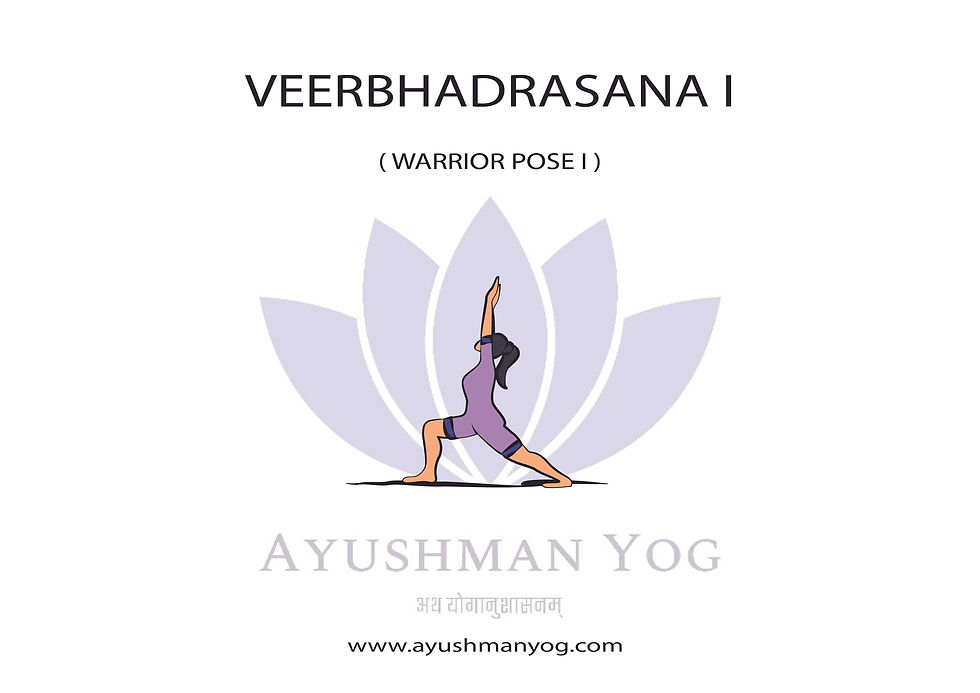
Think of Virabhadrasana, Warrior pose, held for five slow breaths. The quadriceps, gluteal muscles, and core are all engaged simultaneously. The spine is required to maintain length against gravity. The shoulders and arms are active. This is not passive stretching. It is functional strength training within a yogic framework, and it builds the kind of strength that translates directly into daily life capacity.
The progression over weeks and months is what makes this therapeutic rather than just physical. A client who could not hold a chair pose for three breaths in week one and can hold it for eight breaths in week ten has built measurable, functional strength. That progress is therapeutic evidence.
Parameter Three: Muscular Stamina

Strength and stamina are related but distinct. Strength is the capacity to exert force. Stamina is the capacity to sustain effort over time. Both matter for daily life, and both tend to decline in individuals managing chronic conditions.
Muscular stamina is built in Class Management through progressive repetitions of movements, sustained postures held for increasing durations, and controlled transitions between postures that require the muscles to work continuously rather than in isolated bursts.
There is a beautiful parallel here with the yogic concept of Sthira Sukham Asanam, from the Yoga Sutras of Patanjali: the posture should be steady and comfortable. This is a description of sustained, regulated effort. The ability to remain in a posture with steadiness and ease, without strain or collapse, is precisely muscular stamina expressed through yogic practice.
For clients managing fatigue-related conditions, building stamina gradually and carefully is one of the most important therapeutic goals. The progressive nature of DPYT, the 21-day feedback cycle that ensures progression is calibrated to actual capacity rather than theoretical targets, ensures that stamina is built at a pace the client's body can genuinely sustain.
Parameter Four: Body Balance

Balance is one of the most underappreciated dimensions of physical health, and one of the first to deteriorate as we age or manage chronic conditions.
Balance is not simply about standing on one leg. It is a complex neuromuscular function that involves the vestibular system in the inner ear, proprioceptive feedback from joints and muscles, visual input, and the brain's ability to integrate all of these signals into coordinated postural control. When any part of this system is compromised, whether by age, injury, medication, or chronic pain, the risk of falls increases, physical confidence decreases, and movement becomes more cautious and restricted.
In Class Management, balance is trained through single-leg standing practices, stability-focused asanas, proprioceptive challenges that ask the body to organise itself against gravity in varied and progressively demanding ways, and transitions between postures that require dynamic balance rather than static holding.
The yogic tradition has always understood the relationship between physical balance and mental equilibrium. Practices like Vrikshasana (Tree pose), or Garudasana (Eagle pose), are not merely physical challenges. They require a quality of focused attention, a gathering of awareness into the present moment, that is itself therapeutic for the nervous system. The mind that can hold balance in the body is a mind that is practicing the regulation of attention, and regulated attention is the foundation of regulated emotion.
For older clients, or those recovering from neurological conditions, vestibular dysfunction, or lower limb injuries, balance training in Class Management can be one of the most immediately impactful elements of the therapeutic programme.
Parameter Five: Flexibility

Flexibility in yoga therapy is not about achieving advanced postures. It is about the freedom of movement that allows daily life to be lived without restriction, discomfort, or compensatory patterns that create secondary problems elsewhere in the body.
Chronic conditions consistently reduce flexibility. Pain leads to protective muscle guarding that limits range of motion. Inflammation creates adhesions in fascial tissue. Sedentary habits allow joints to stiffen and muscles to shorten. Over time, these restrictions compound, and what begins as a local limitation becomes a whole body pattern of reduced mobility.
In Class Management, flexibility is addressed through targeted stretching that respects the body's current range of motion and invites expansion without force, joint mobilization practices that restore synovial fluid circulation and joint health, and fascial release work that addresses the connective tissue matrix rather than just individual muscles.
The Hatha yoga tradition has always understood that flexibility is not just physical. The Sanskrit word for a joint is Sandhi, which also means a meeting point or junction. The tradition understood joints not just as mechanical hinges but as places where energetic flow can be either supported or obstructed. Practices that restore joint mobility do not just improve range of motion. In yogic understanding, they restore the free flow of Prana through the body.
Modern fascia research, particularly the work of Dr. Robert Schleip and colleagues at Ulm University, has shown that the fascial network is not simply passive connective tissue but a dynamic, innervated system that plays a significant role in proprioception, pain experience, and movement quality. Yoga practices that work with the whole body in integrated movement, rather than isolating individual muscles, are particularly effective at maintaining and restoring fascial health.
The Five Parameters as a Whole
It is worth stepping back and seeing these five parameters not as a checklist but as an integrated picture of physical health.
A body that is cardiovascularly fit, muscularly strong, enduring, balanced, and flexible is a body that is genuinely resilient. It is a body that can meet the demands of daily life, absorb the shocks that life inevitably delivers, and recover from illness or injury more effectively than a body that is deficient in any one of these dimensions.
This is what yoga therapy, delivered through the DPYT Class Management framework, is ultimately building.
Not just relief from symptoms. Not just management of a condition. A body and a nervous system that is more capable, more resilient, and more alive than it was before therapy began.
The presenting condition is the door through which the client enters. Whole body health is the destination.
A Note for Yoga Therapists
Holding the five parameters as a framework does not mean addressing all five in every session. It means that over the arc of the therapeutic relationship, no parameter is consistently neglected. A yoga therapist who only ever works on flexibility with a client who also has poor cardiovascular health and declining balance is not delivering whole body therapy. They are delivering partial therapy, however skillfully.
The 21 day feedback cycle in DPYT is partly designed to ensure this does not happen. Regular assessment keeps the therapist's attention on the whole person, not just the presenting complaint.
Learn DPYT in Practice
The DPYT model is taught in depth at Ayushman Yog through two pathways: our YCB Level 6 Yoga Therapist Training Course for those pursuing government-recognised certification, and our self-paced course Yogic Management of Common Diseases for those looking to build therapeutic knowledge at their own pace.
Closing Note
Yoga therapy that only addresses the presenting condition is yoga therapy that has not yet reached its full potential. The five parameters of fitness give the therapist a framework for delivering something more complete: a therapeutic programme that builds the whole body, addresses the whole person, and creates the conditions for genuine and lasting resilience.
This is what the tradition has always pointed toward. Not the management of illness, but the cultivation of health. The five parameters are one way of making that ancient intention practically applicable in a modern therapeutic context.


Comments